As we move into 2026, paid media is entering its most transformative phase in years. AI-driven platforms are expanding, targeting controls are tightening and user behaviour is shifting towards zero-click environments. These changes mean performance will rely less on precision targeting and more on creativity, and an understanding of how audiences behave across these ever-changing platforms.
Here are Loom’s predictions for what’s next in the paid media space and how brands can build strategies that stay effective and adaptable.
Creative will become the primary performance lever on paid social
Creative is set to become the key driver of performance across paid social in 2026. As platforms like Meta and TikTok continue to reduce granular targeting in favour of broader, privacy-safe audience models, brands will no longer be able to rely on micro-targeting to out-target their competitors. Instead, the quality and relevance of creative will determine who stops scrolling, who engages, and who ultimately converts.
This shift will push performance and creative teams closer together. Marketers will need a deeper understanding of algorithms, and what value looks like in the first seconds of a scroll. Testing will need to become more insight-led and continuous to explore multiple narratives, hooks and visual styles across different audience contexts.
“The brands that keep creating and testing engaging and relevant content that fits the platform and journey stage will stay visible, even as targeting becomes more limited.” Sam
AI-powered, keywordless targeting will become the new standard in Search
2026 is set to be the year AI Max becomes a core part of search advertising. Its keywordless model uses machine learning to match ads to relevant queries based on landing page content, assets and overall theme. While similar to Dynamic Search Ads, AI Max is far more advanced, interpreting context, meaning and user behaviour at a much larger scale.
With the rollout complete in late 2025, 2026 will become the first full year in which AI Max benefits from richer global data, more refined models, and a clearer feature set. Google’s early results already show strong uplift, with campaigns using AI Max seeing a 14% increase in conversions. As brand and location controls mature, paid media specialists will need to be confident in deploying AI Max across the majority of their non-brand campaigns.
This shift mirrors the route taken with Performance Max . As P-Max became the default for e-commerce after replacing Smart Shopping, AI Max is set to evolve into the default growth layer for Search, especially for non-branded queries. And with AI-powered search experiences like AI Overviews and AI Mode expected to prioritise ads from AI-driven campaign types, adoption will become essential for maintaining visibility.
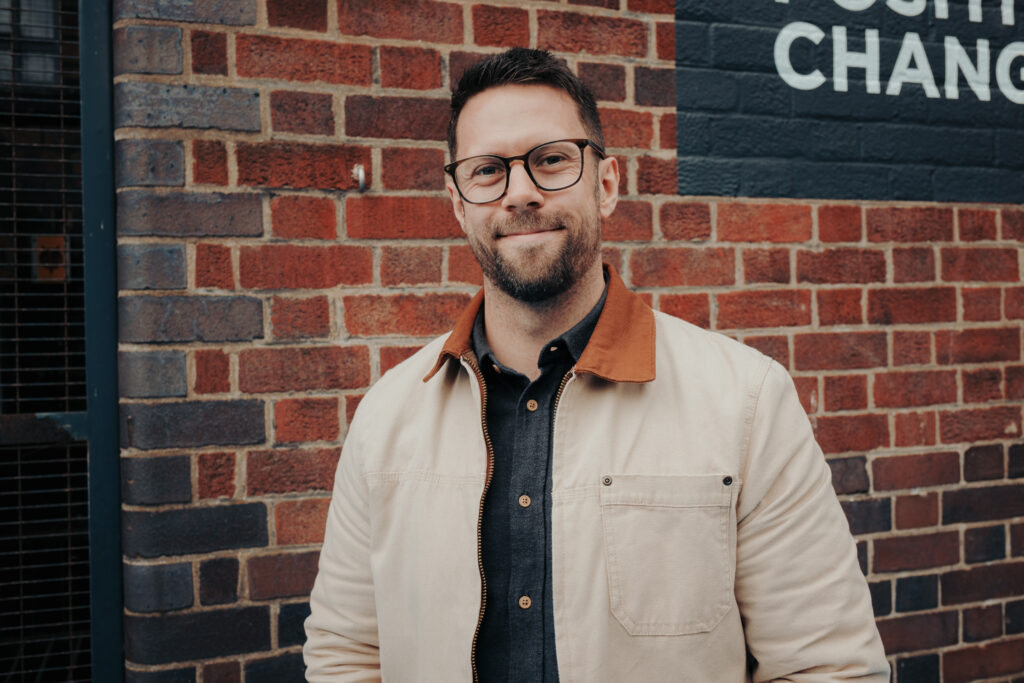
“As AI Max matures, keywordless targeting will shift from an experiment to a necessity if you want to stay competitive in the AI era.” Wez
Ads will expand into AI platforms and conversational search
The search landscape is going to evolve faster in 2026 than at any point in the last decade, as LLMs become a primary interface for information and ads begin surfacing within tools and channels like ChatGPT. Paid visibility will no longer sit solely within traditional search engine results pages. Google’s continued testing of ads within AI Overviews signals a structural shift toward search surfaces that are conversational, contextual and significantly less predictable.
For search marketers, this means established formats won’t be enough. Success will rely on closely tracking early platform updates, understanding how AI reshapes intent and being ready to test emerging placements as soon as they launch. We’re expecting to see a wave of betas, from conversational ad formats to AI-integrated product recommendations, designed to help brands slot into these new environments.
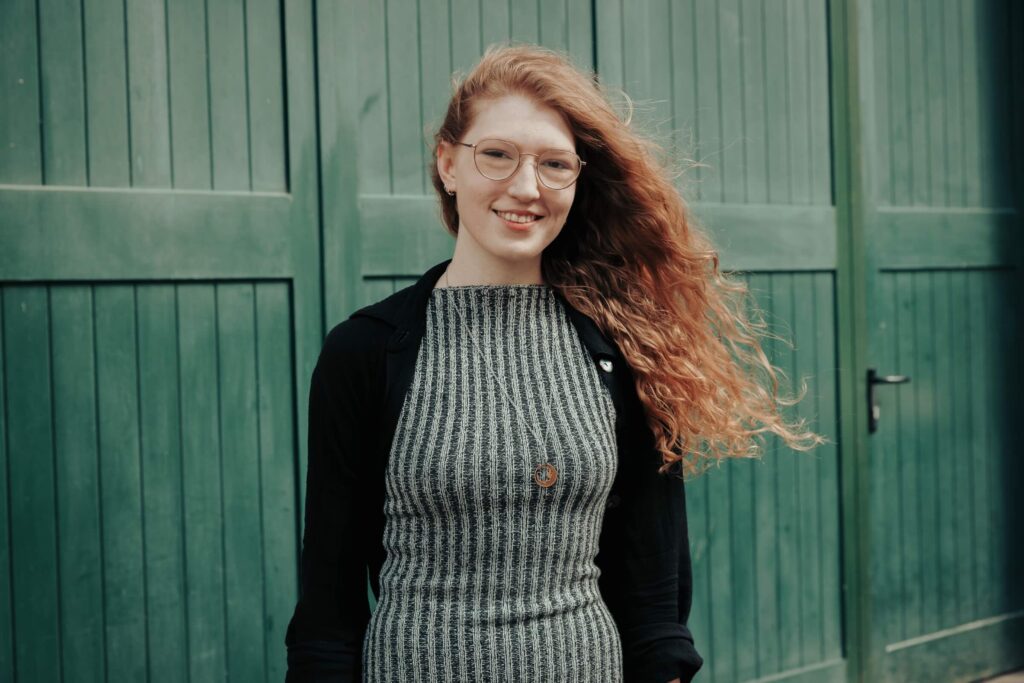
“The landscape is shifting, and the brands that lean into experimentation early on will secure a meaningful head start.” Romy
Zero-click journeys will reshape the role of ads
Traditional SERP interactions are already giving way to richer, AI-driven responses, and this trend will accelerate throughout 2026. Searches will increasingly be resolved directly within AI Overviews, product sections, carousels and GEO-based results, reducing the available space where traditional ads can reliably drive traffic.
As zero-click journeys increase, ads will take on a more brand-led or mid-funnel role – even for high-intent queries. Strong brand cues, refined messaging and standout product visuals will become essential as advertisers compete in SERPs that feel crowded, conversational and highly dynamic.
Marketers will need to rethink intent signals and ensure product feeds, visuals and value propositions are optimised to appear in these integrated experiences. Trust-building elements, such as high-quality imagery and consistent messaging, will matter more than ever.
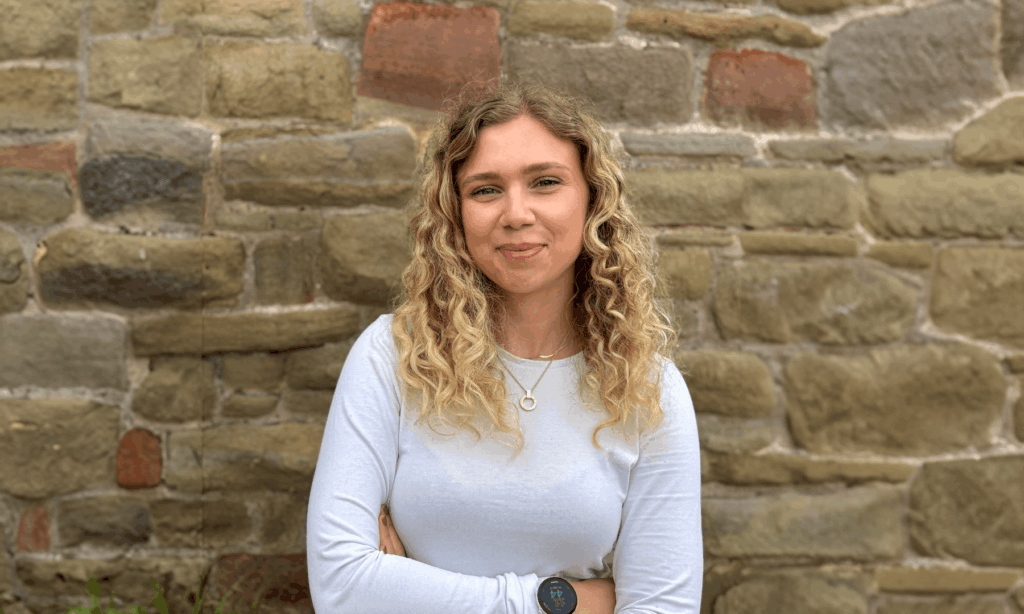
“Zero-click journeys will become far more common, and ads will increasingly play a brand awareness or mid-funnel role – even on high-intent queries.” Hollie
While the pace of change may feel relentless, the fundamentals of effective paid media remain the same: understand your audience, create compelling content and measure what truly matters. Loom are here to help you navigate and make sense of the evolving search environment and continue to drive meaningful growth, even when the rules keep changing.
Enjoyed this blog? Check out our Digital Strategy Predictions and Organic & SEO Predictions here.